
About Us
Who is the Energy Society of Kenya?
The Kenya National Committee aims to promote sustainable energy development in Kenya, as a part of the World Energy Council’s energy vision. As a member of the World Energy Council network, the organisation is committed to representing the Kenyan perspective within national, regional and global energy debates.
The committee includes a variety of members to ensure that the diverse energy interests of Kenya are appropriately represented. Members of the committee are invited to attend high-level events, participate in energy-focused study groups, contribute to technical research and be a part of the global energy dialogue.
Our Mission
To promote the sustainable supply and use of energy for the greatest benefit of all in Kenya and in support of the World Energy Council.
National Overview and Context
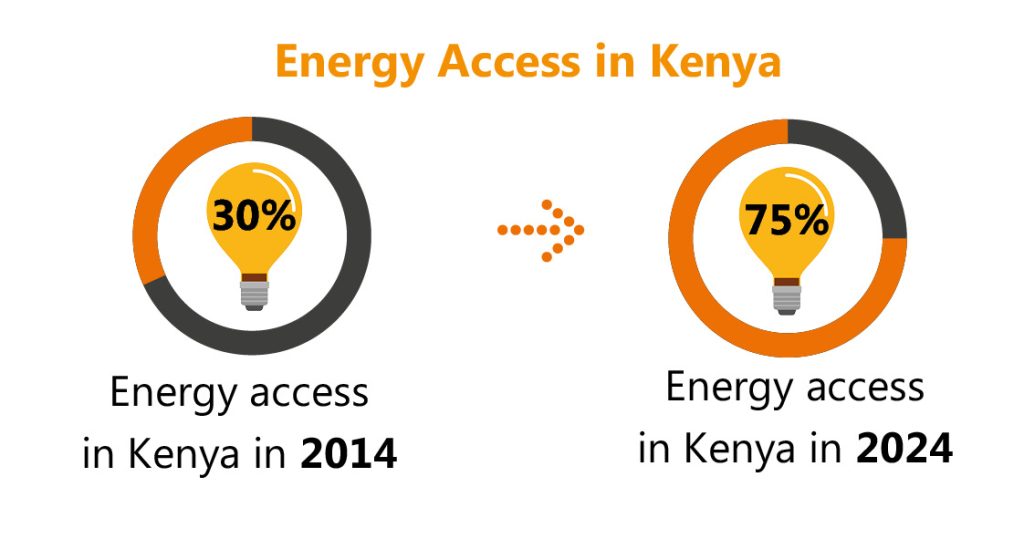
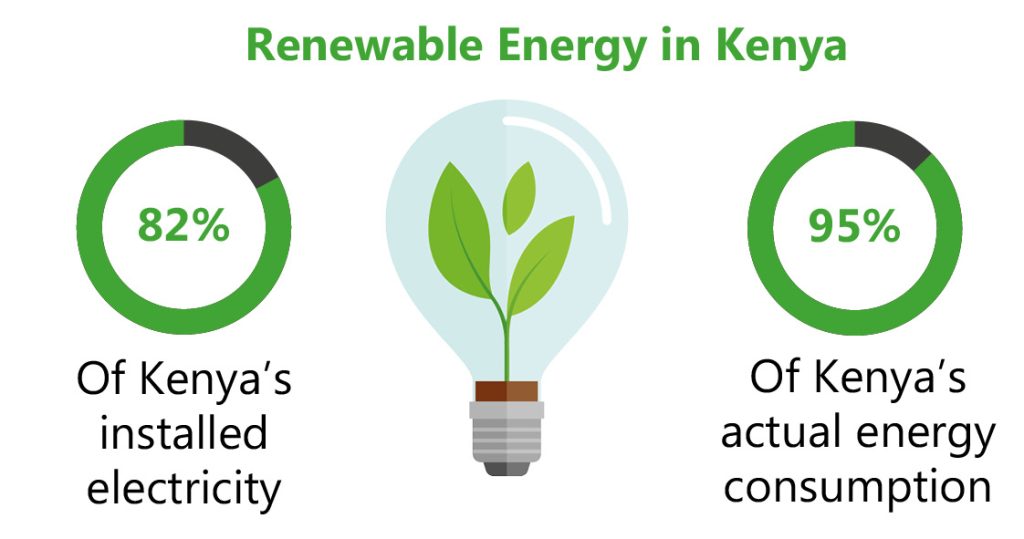
At the World Energy Council – Kenya, we are proud to support a nation that stands at the forefront of Africa’s clean energy transition. Kenya’s energy sector has evolved into a model of innovation and sustainability, guided by strong legal, policy, and institutional frameworks that continue to drive inclusive growth and climate resilience. Over the past decade, Kenya has made remarkable progress in energy access, with national connectivity increasing from 30% in 2014 to over 75% by 2024. Renewable sources now account for 82% of the country’s installed electricity capacity and 93% of actual consumption, making Kenya a continental leader in geothermal energy and one of the top six producers globally
While the progress is significant, challenges remain. Approximately one in four Kenyans still lacks access to electricity, and nearly 70% of households depend on traditional biomass for cooking. High energy costs and reliance on imported fossil fuels also continue to affect competitiveness and long-term energy security. In response, the Government of Kenya has set out an ambitious path through the National Energy Compact (2025–2030), aligned with Vision 2030, Mission 300, and the Sustainable Development Goal 7 (SDG7). The Compact aims to achieve universal access to electricity and clean cooking by 2030, transition to 100% clean energy, and double national energy efficiency.
These efforts are anchored on five key priorities: expanding generation capacity at competitive costs, strengthening regional power integration, ensuring affordable last-mile access, unlocking private sector investment, and building financially sustainable utilities.
As the World Energy Council – Kenya, we remain committed to advancing these national goals through collaboration, knowledge exchange, and strategic partnerships. Together with government, industry, and development partners, we continue to champion Kenya’s vision of becoming a regional hub for clean energy innovation—driving reliable, affordable, and sustainable energy for all.

Successes
- Issues monitor – An annual study conducted to determine uncertainties and action priorities keeping energy leaders awake.
- Energy Trilemma – ESK contributed to the annual World Energy Trilemma (2024) report that provides an annual assessment of national energy system performances across each of the three trilemma dimensions.
- The Great Energy Debate: Electricity demand: ‘throwing the box away’-2017
- Symposium on Climate Change and Drought Resilience: -2017
- Launch in 2019 with the 1.5 day conference on Sustainable Energy.
Key Activities
Research and Publications
- Conduct research and produce publications on national, regional, and global energy trends.
- Develop policy briefs, sector reports, and analytical papers to inform evidence-based decision-making.
- Disseminate insights from the World Energy Council’s global studies and data platforms to Kenyan stakeholders.
Conferences and Training
- Organize national and regional energy conferences, forums, and expert dialogues.
- Facilitate professional training workshops and seminars on emerging energy technologies and best practices.
- Foster knowledge exchange between public institutions, private sector actors, and academic partners.
Capacity Building
- Support the development of institutional and technical capacity within the energy sector.
- Strengthen local expertise in renewable energy, energy efficiency, and regulatory governance.
- Provide mentorship and skill-development opportunities for youth and professionals in the energy industry.
Public Awareness and Engagement
- Lead public awareness campaigns on sustainable energy use, climate action, and clean cooking solutions.
- Promote energy literacy and citizen participation through outreach and educational initiatives.
- Highlight the social and economic benefits of a just energy transition.
Policy Dialogue and Advocacy
- Engage government, industry, and civil society to advance inclusive and evidence- based energy policies.
- Advocate for regulatory reforms that support investment, innovation, and sustainability.
- Contribute to Kenya’s representation in regional and global energy policy discussions through the World Energy Council network

Documenting Kenya’s Progress: Kenya Energy Trilemma Initiatives
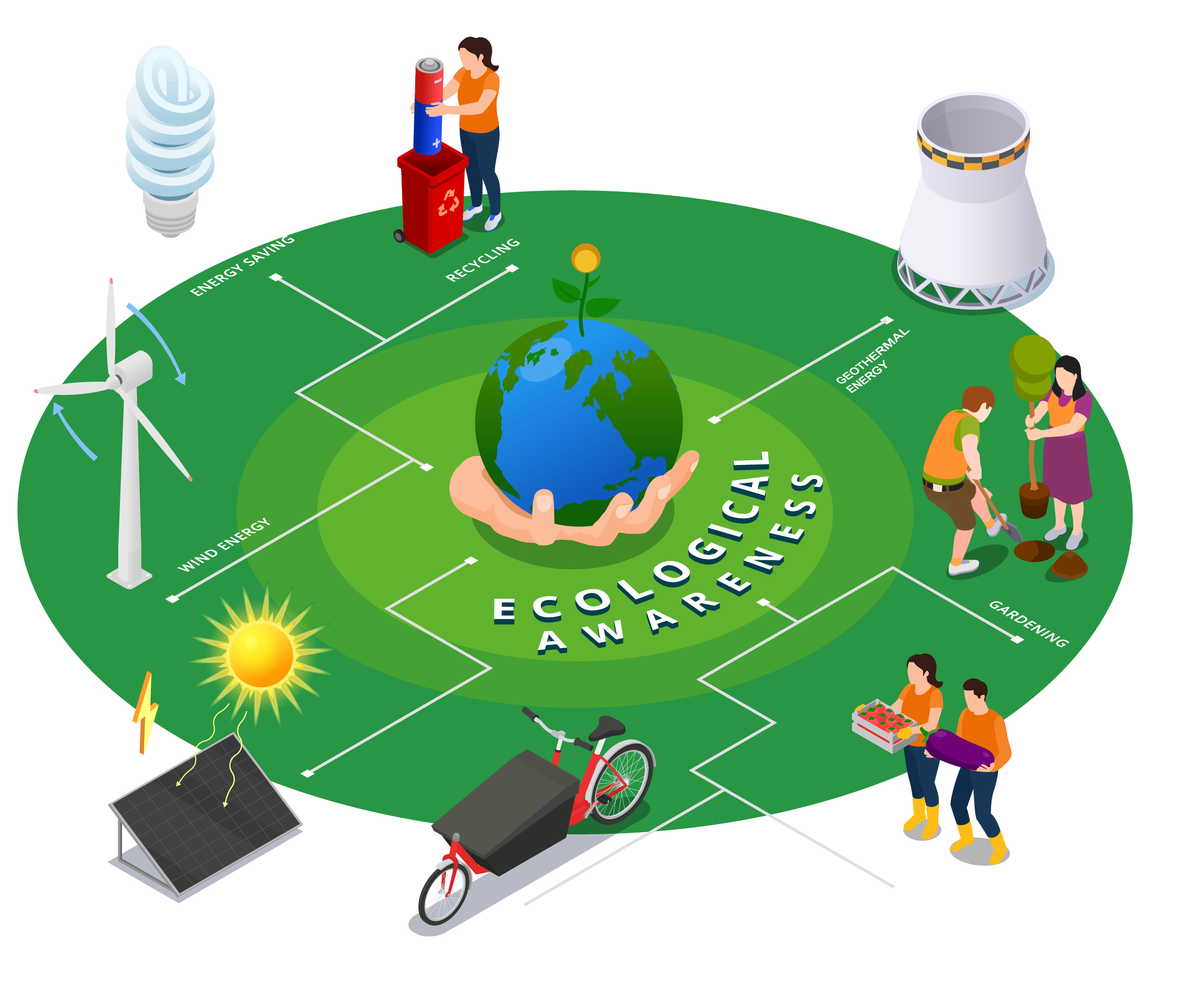
The Energy Society of Kenya, as the national member committee of the World Energy Council, plays a pivotal role in advancing Kenya’s progress across the three dimensions of the Energy Trilemma which includes energy security, equity and environmental sustainability. Through research, policy dialogue and stakeholder engagement, ESK supports the development of a resilient and diversified energy system anchored on renewable resources such as geothermal, hydrogen, wind, and solar.
The Society facilitates capacity building, knowledge exchange and evidence-based advocacy to promote affordable and inclusive access to modern energy services, in line with the National Energy Compact (2025- 2030) and the Sustainable Development Goal 7 (SDG 7). By convening government, industry, academia and civil society, ESK contributes to shaping policies and practices that strengthen energy reliability, expand equitable access and accelerate the clean energy transition, positioning Kenya as a leader in sustainable energy development within the region and globally.
Responding to Future Challenges: Insights From The World Energy Issues Monitor
The Energy Society of Kenya aligns its strategic priorities with emerging global insights from the World Energy Council’s World Issues Monitor, which tracks the evolving perspectives of energy leaders across more than 100 countries. The 2025 edition highlights three key themes that resonate strongly with Kenya’s national energy context: transmission grid modernisation, access to finance and affordability and the growing importance of social licence and circular economy practices.
To strengthen energy security, ESK supports dialogue and knowledge exchange on grid expansion, smart infrastructure, and system reliability, enabling the integration of Kenya’s growing renewable energy capacity. In addressing energy equity, the Society facilitates collaboration among policy makers, investors and development partners to promote inclusive financing mechanisms and ensure affordable, modern energy access for all. Recognizing the sustainability dimension, ESK advances public engagement on the social and environmental impacts of energy projects, championing circular economy approaches, local value creation and community application in the clean energy transition.
Through these initiatives, ESK continues to bridge global insights with local action, positioning Kenya to navigate the complex interplay of opportunities and challenges that define the future of energy systems.
Involvement in WEC Activities: Engaging With The World Energy Scenarios.
The Energy Society of Kenya actively engages with the World Energy Council’s World Energy Scenarios framework to explore and interpret how different global energy futures may shape Kenya’s own transition pathway. These scenarios offer contrasting yet plausible outlooks on how markets, policy, and innovation could interact to influence the global energy landscape.
By integrating scenario analysis into its policy dialogues, research and stakeholder consultations, ESK helps Kenyan institutions and decision makers anticipate long- term trends, manage uncertainty, and craft resilient strategies that balance energy security, equity and sustainability. Through this foresight-driven approach, ESK strengthens Kenya’s capacity to align national energy planning with emerging global realities while advancing a just and inclusive energy transition.